Surgery Procedures

Laser Refactive Surgery

A specific laser (Eximer laser) can be used to correct refractive errors of your visual system. This laser can change the shape of your cornea. This type of refractive surgery corrects nearsightedness, farsightedness and astigmatism.
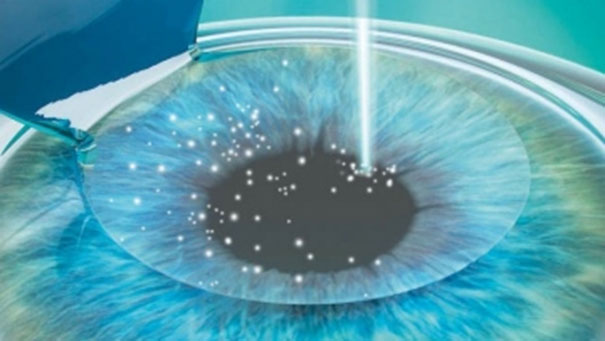
Types of refractive laser treatment:

LASIK:

  • LASIK (Laser Assisted in Situ Keratomileusis)
  • This is the most commonly used refractive laser surgery technique
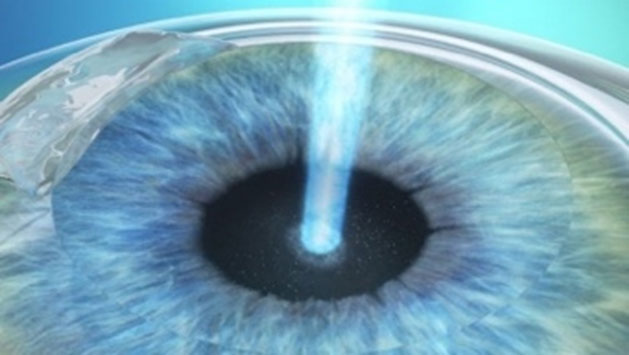
  • A Femtosecond laser fashions a flap that is 120µm thick
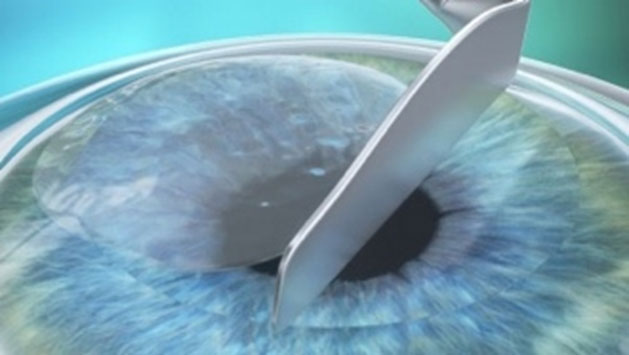
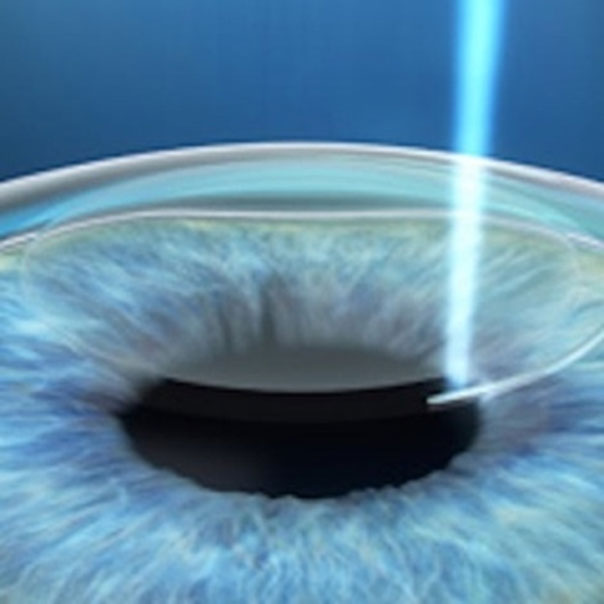
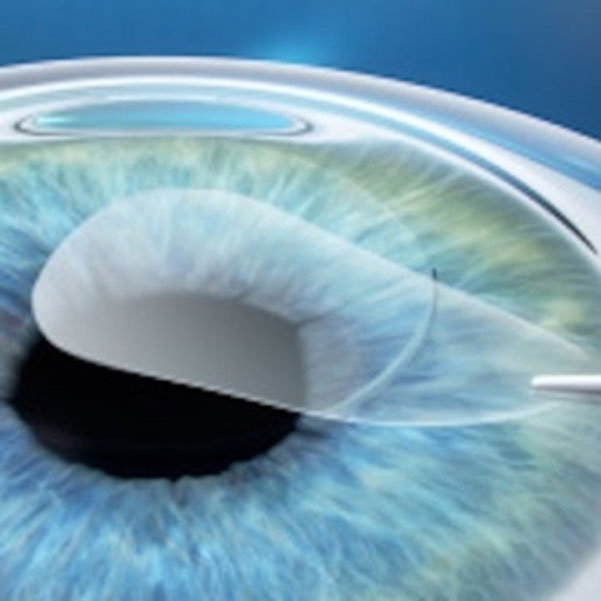
  • This flap is then lifted and an Eximer laser sculpts the underlying stromal tissue
  • The flap is repositioned
  • Both eyes are treated simultaneously
  • The effect on your vision is immediate
  • On the day of surgery there might be a little discomfort

PRK:

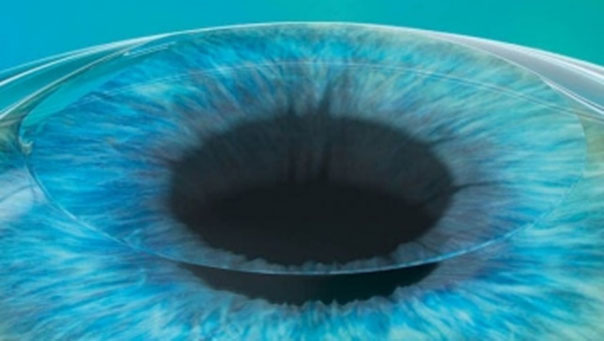
  • PRK (Photo Refractive Keratomileusis or Surface Ablation)
  • The epithelial cells on the surface of the cornea are removed
  • An Eximer laser sculpts the exposed stromal tissue
  • A bandage contact lens covers the cornea
  • There is moderate discomfort for 48 hours after the surgery
  • This contact lens is removed after 4 days if the cornea has healed
  • The visual recovery takes longer than LASIK, but by the end of the first week your vision should be 90% corrected

SMILE:

  • SMILE (Small Incision Lenticle Extraction)
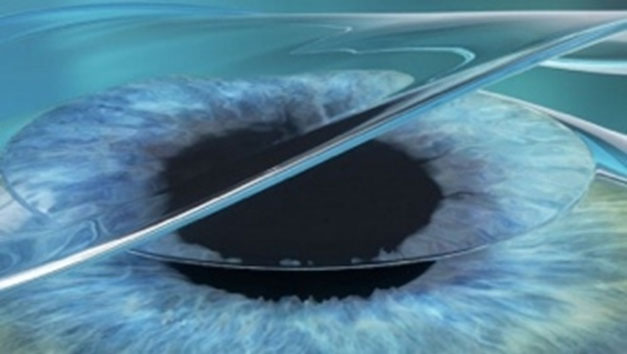
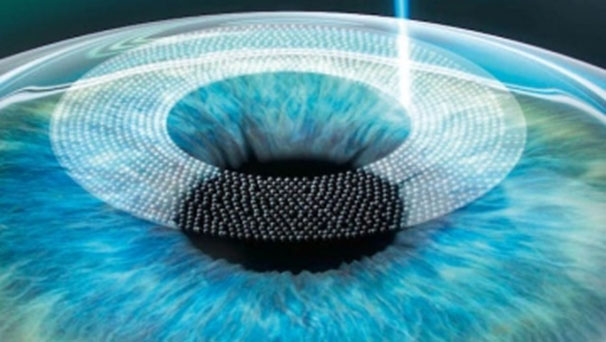
  • A Femtosecond laser creates a lenticule inside the corneal stroma
  • This lenticule is removed through a 2mm incision
  • This changes the shape of your cornea and corrects the refractive error
  • You could experience halos around lights at night for the first month after surgery

Am I a good candidate for LASIK?

Refractive laser corrections have given clear vision to over 20 million people worldwide, but unfortunately not everyone is automatically a candidate for laser treatment. Before proceeding with laser treatment, you will first undergo a thorough eye examination so that any contra-indications may be identified. The correct type of laser correction which is best suited to your particular needs will be identified and discussed with you.

The laser can correct nearsightedness, farsightedness, and/or if you have astigmatism.

To qualify you should:

  • Be at least 18 years of age (there is no upper age restriction)
  • Be in good general health
  • Have no significant eye problems or health issues that may affect your eyes
  • Have a stable spectacle prescription for at least a year
  • Currently wear glasses or contact lenses, but for professional, sport and/or social considerations you would prefer to do without them
  • Have an optical correction, but glasses or contact lenses are inappropriate or unsuitable for your type of work, your work environment or the type of sport you play
  • Be fully informed of the benefits and possible complications of the proposed procedure
  • Be aware of the cost of the surgery, as your medical insurance does not necessarily cover the expense
  • Not be pregnant or breastfeeding

If you have systemic auto-immune diseases, infections, amblyopia, dry eye syndrome, a fluctuating refractive error and/or diabetes mellitus these need to be taken into consideration when deciding if you are a candidate for laser refractive surgery.

What to expect when deciding to undergo refractive surgery:

On the day of your screening:

  • You have to be accompanied by someone who can drive you home
  • You have to plan a day without reading activities after your screening
  • A full review of the overall health of your eyes will be established
  • A corneal topography will measure your corneal thickness and shape
  • Your glasses and contact lens history will be thoroughly examined
  • The measurement of your prescription and refractive error in each eye will be performed
  • Your eyes will be dilated to check the health of the retina and optic nerve, and to help to determine the actual absolute power of the eye
  • Custom measurement for higher order aberrations will be done
  • Dry eye test will be performed
  • Measurement of pupil size in a dark room will be done
  • You will receive a prescription to be purchased from your pharmacist and brought on the day of surgery
  • You will also receive an information sheet
  • If you wear soft contact lenses you will have to stop wearing them fourteen days before your screening
  • If you use hard contact lenses you should stop wearing them for a minimum of four weeks before the screening

The day of the surgery:

  • You may have a light breakfast
  • 1 hour before surgery you will be given a mild sedative
  • Your eye is numbed with anaesthetic eye drops
  • You are awake, but will feel slightly woozy during the procedure
  • You will spend about 30 minutes in the laser theatre
  • After surgery your eyes will be covered with transparent eye shields
  • You will receive information on the aftercare of the eyes
  • You can go home about an hour after surgery
  • You will need to return the following day for a follow-up examination

Aftercare:

  • Use your eye drops as prescribed
  • You should wear the protective eye shield at night for a week
  • Do not do strenuous physical activity for two weeks
  • Remember that proper post-operative care will minimize the risk of complications